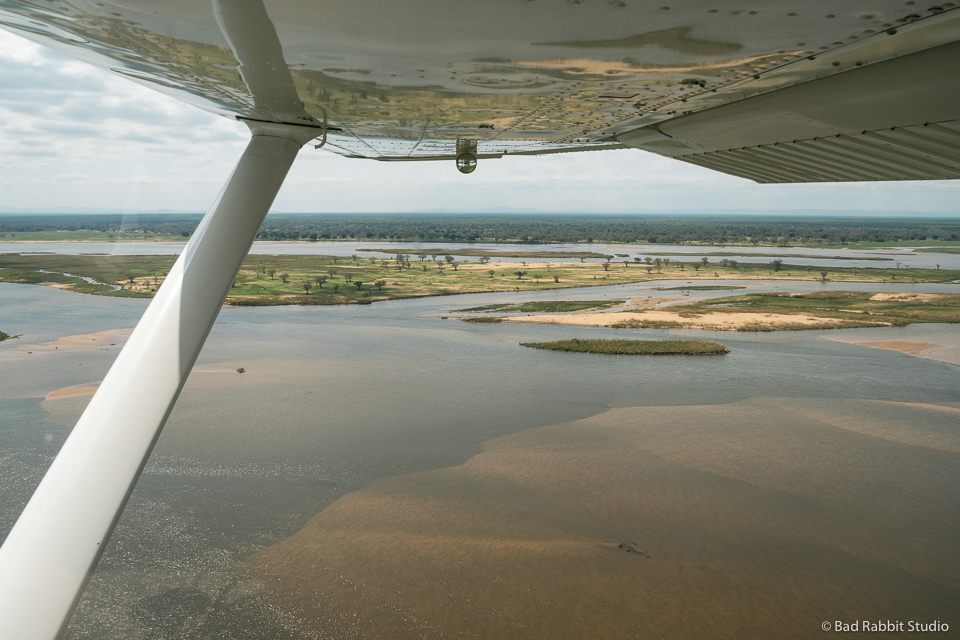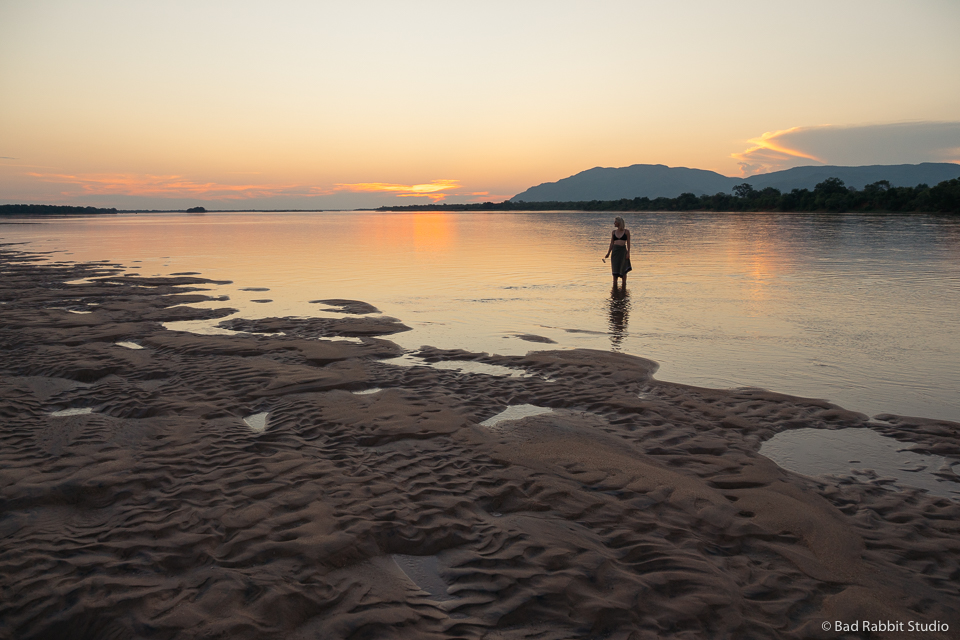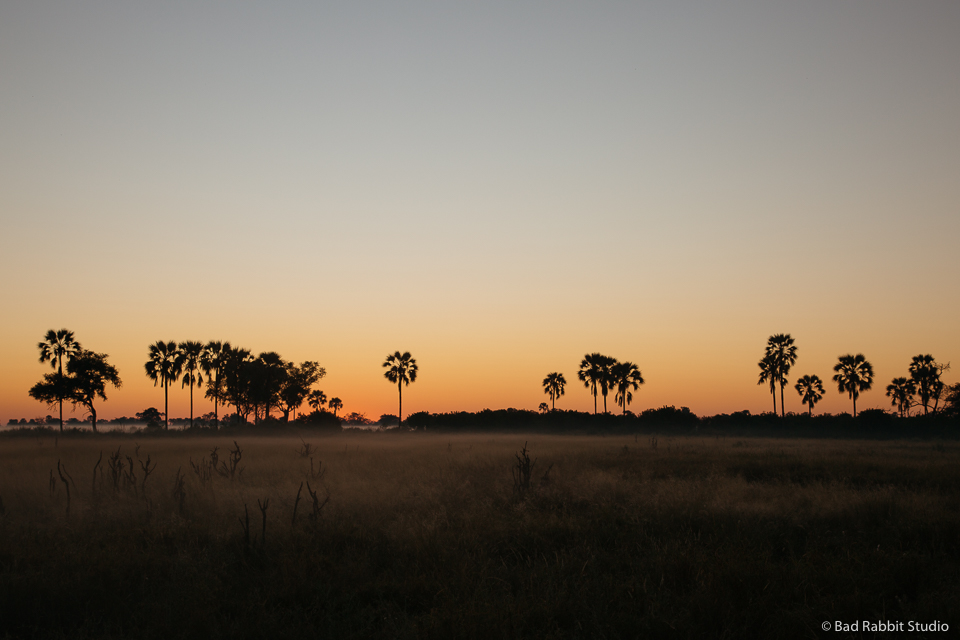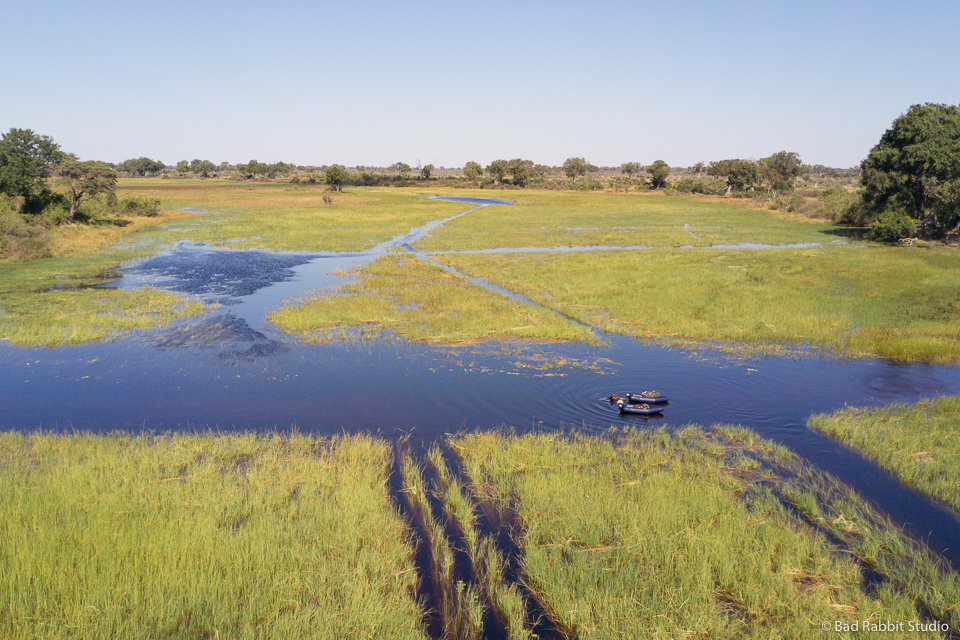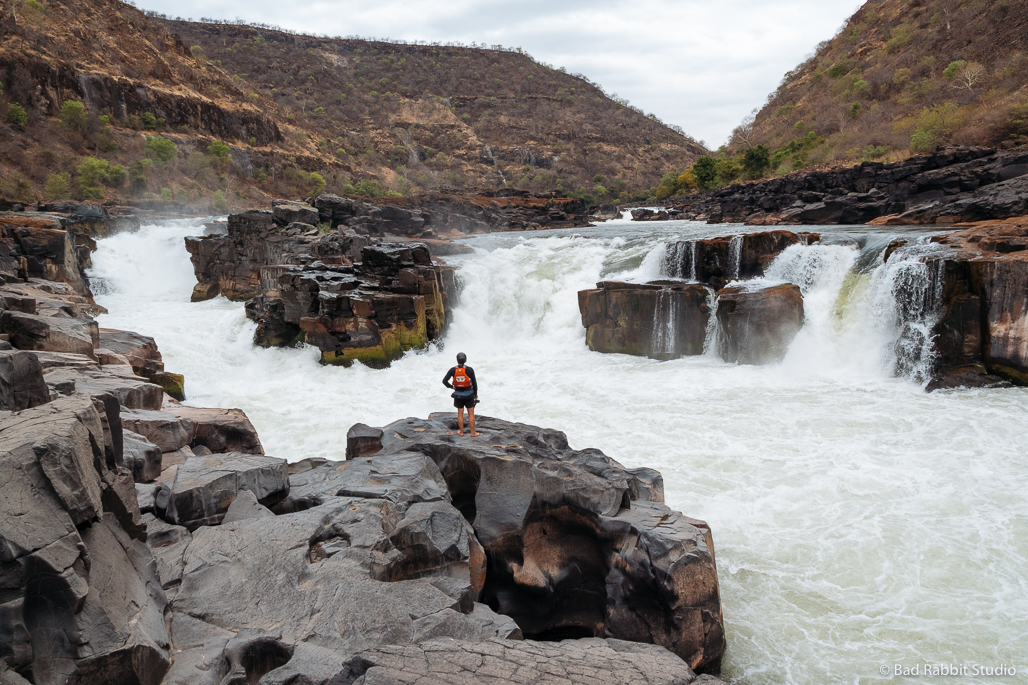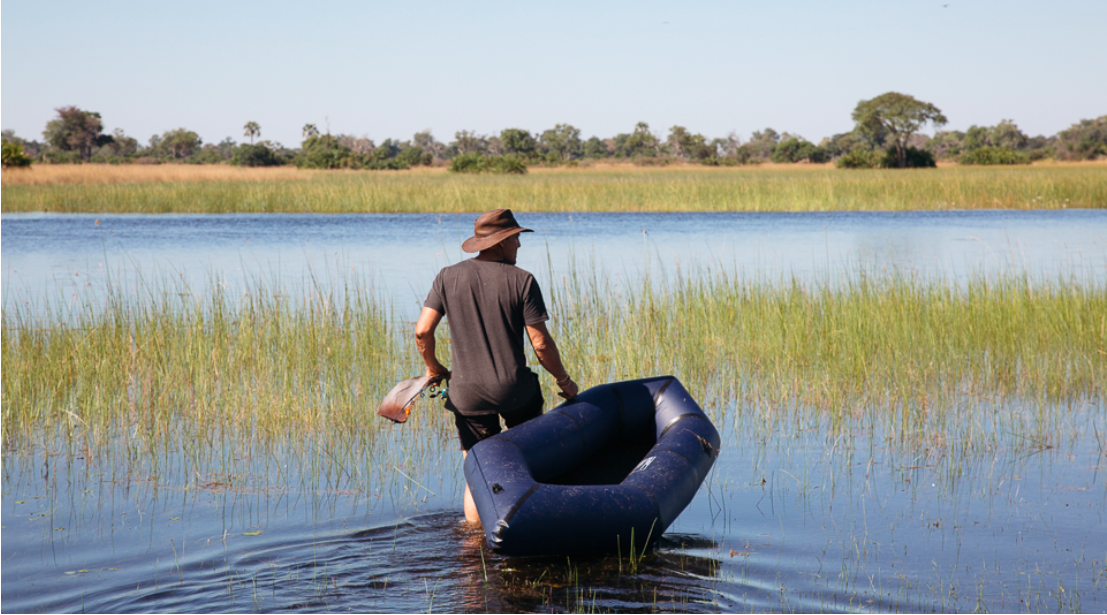
The best way I can think of to describe
how it felt to stop and stand a 4-days-walk away from the
closest calm, deep into the heart of the Delta, miles and
days away from the closest sign of human presence and probably
as far from the grid as one can get - in amongst the body of the
most elegant, intricate and spectacular water system laid out behind,
in front and all around me - is to ask you to imagine your circulatory
system. Think about the exquisite design of your arteries, the extensive
interweaving of capillaries and veins. Think about the way your
circulatory
system is elemental in your being alive. To be there, is to be in
amongst
one of the greatest, grandest and most complex natural marvels on the
planet.
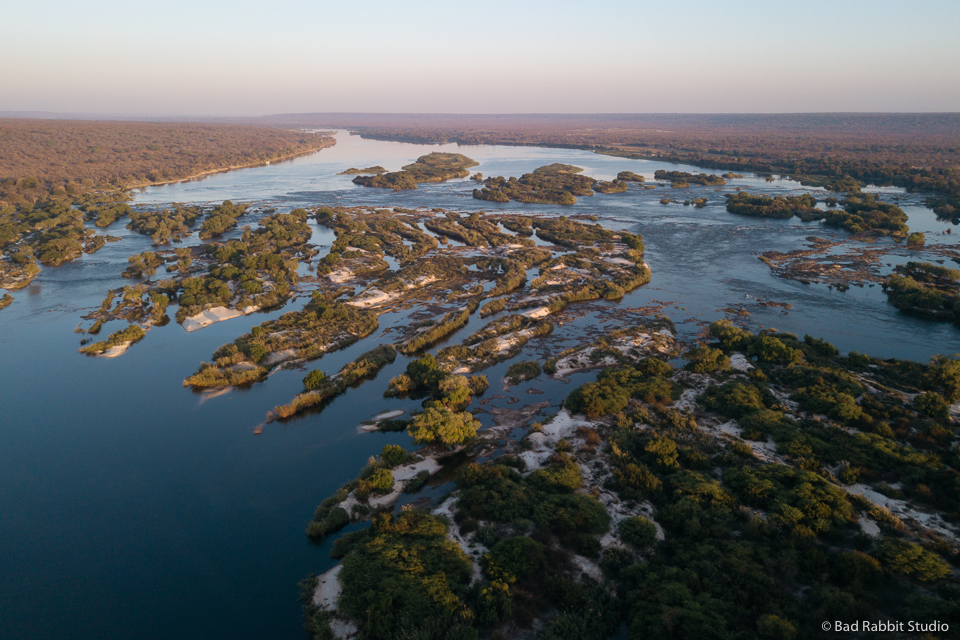
Each year the area is revived during the dry season by an
inflow of water and nutrients from the Okavango River journeying 100km
down
from Angola, spilling out in the basin and baptizing the sands of the
Kalahari
Desert, creating a kaleidoscope of river channels, lagoons, islands and
the greatest
expansive floodplains of the Delta. This annual cycle of birth and
rebirth,
transformation and reclamation is the life-blood that supports the
existence
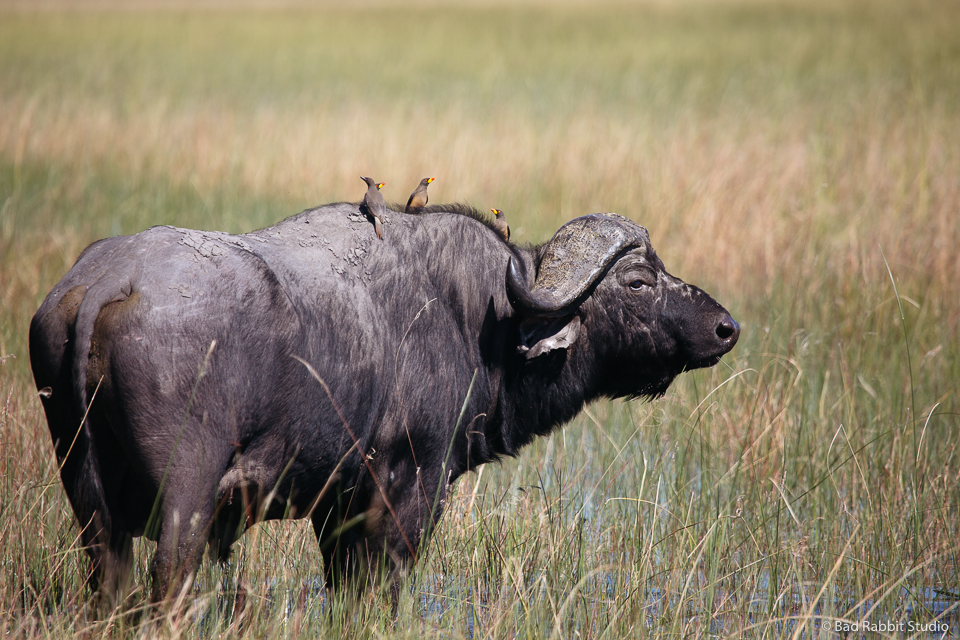
of 1061 distinct plant species, 89 varieties of fish, 64 different
reptiles,
482 species of birds and 130 types of mammals - just one reason of many
why
the Okavango Delta has been recognized as a UNESCO World Heritage Site.
To venture unsupported into such a treasure, so alive,
vibrant and dangerous, you need to be prepared. John Sobey, professional
field guide and the Managing Director of African Horseback Safaris in
the
Okavango Delta, invited myself and Larry North, the renowned wildlife
artist
to form the expedition party. We were to explore, unsupported and on
foot, an
area of around 100 kilometers - without any high points or
distinguishable islands
to use as reference points making it extremely easy to get lost in.
Without John’s
extensive knowledge of the area and exceptional navigational abilities,
attempting
a trip of this nature would be unthinkable.
The greatest challenge on the trip was the combination of
light meals
,heavy loads and difficult trekking. Our daily intake of kilojoules was
greatly reduced
from that of my normal consumption, adding to that the enormous amount
of energy and
strength required to walk for hours at a time through water and thick
bush with packs
ups to 35kgs slung onto our backs. I admit, I was hungry almost all of
the time! We
weren’t on the verge of starvation by any means, we had just enough
food. Breakfast
consisted of a cup of wood-boiled tea and a bowl of pre-mixed grains,
powered milk
and sugar with water added. Lunch was a pre-packed serving of dried
fruit and nuts
(wilted down before it had even touched sides). Once the days camp had
been made, firewood
collected and water boiled, a dinner of boiled rice and biltong was
gratefully received.
Every now and then, just when a real stomach grumble would come on, John
would fish out
from deep in his pack pockets, a couple of Sparkles sweets to suck on.
Oh the magic of a
sparkle dissolving in your mouth! Larry and John, both experienced
expedition bushmen,
had worked out exactly the minimum needed to keep us on our feet an
moving (although there
were many times when my belly felt otherwise) without adding unnecessary
weight to our packs.
The weight of my pack was so heavy that there were days when I thought
it would be impossible
to carry. A tent with its poles and fly sheet would have been far too
bulky and heavy to fit
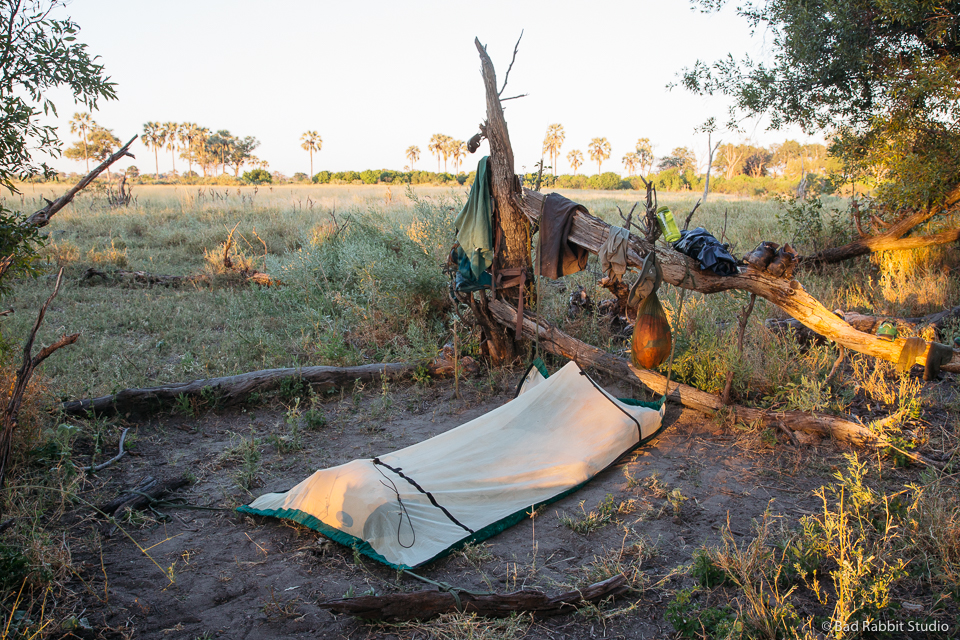
into my pack. Instead, I lay a hammock with an attached mosquito net
flat on the ground - no
pillow, no mattress, just a thin layer of material between myself and
the ground and a light
sleeping bag to sleep in. Aside from hammock and sleeping bag, into the
pack went my all important
camera gear, which comprised of the DJI Mavic, a Canon 5D Mark III with
a single 24-105mm zoom lens,
GoPro, batteries, vacuum-packed servings of food, one change of clothes,
a spare pair of shoes and
importantly, thermal underwear. Due to all the water and the desert
sands that hold the heat, the
nights and early mornings were a sharp, bone cutting cold. Luckily, we
were spared the ordeal of
carrying water with us as there was no lack of finding some. In fact,
there was so much water around
due to the incredibly high levels of rainfall Southern Africa had
received that year that we had
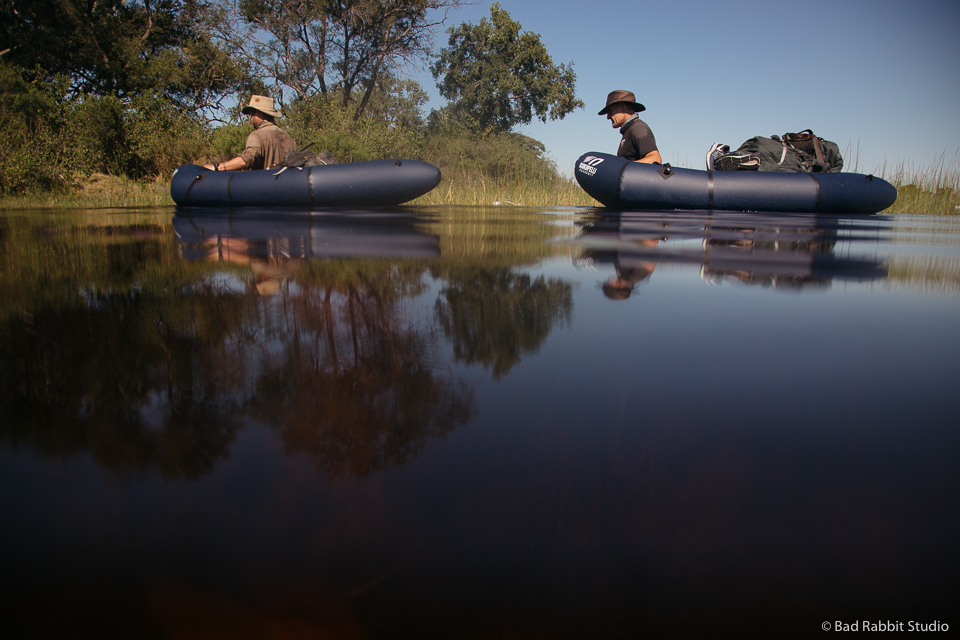
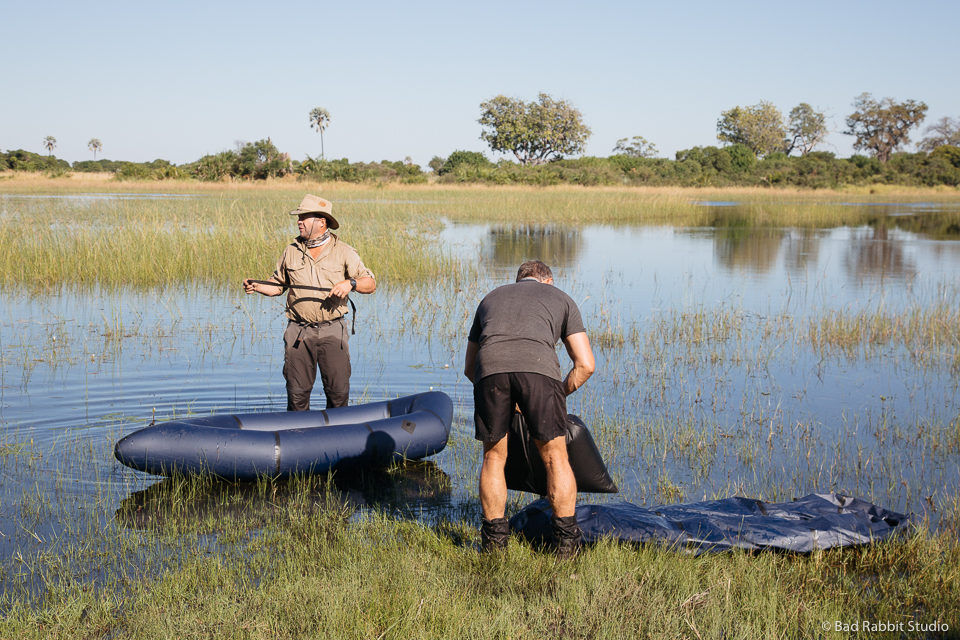
to reassess our original walking plans and add packrafts for each of us
onto our kit list.
Kokopelli deserve a shout out for having the perfect
packrafts for our trip.
They were lightweight, durable, easy to use and able to carry a lot of
weight when inflated -
a lifesaver. Our gear might not sound like much to have carried, but
after 6 hours of walking
each day, it certainly felt like a load! If the cold, hunger and heavy
carrying is the price to
pay for an experience such as we had, I would readily offer myself up
time and time again!
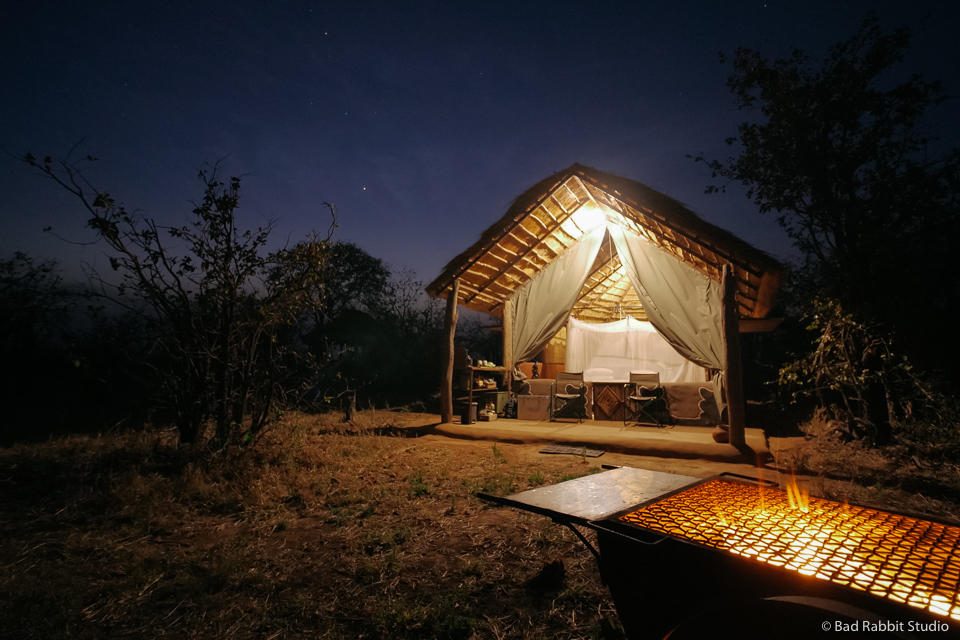
What a rare privilege to sleep under night sky so large
and untainted by
light pollution that it was hard to see where one star began and another
end - and for
just a moment, grasp the incredible magnitude of the universe and the
smallness of my
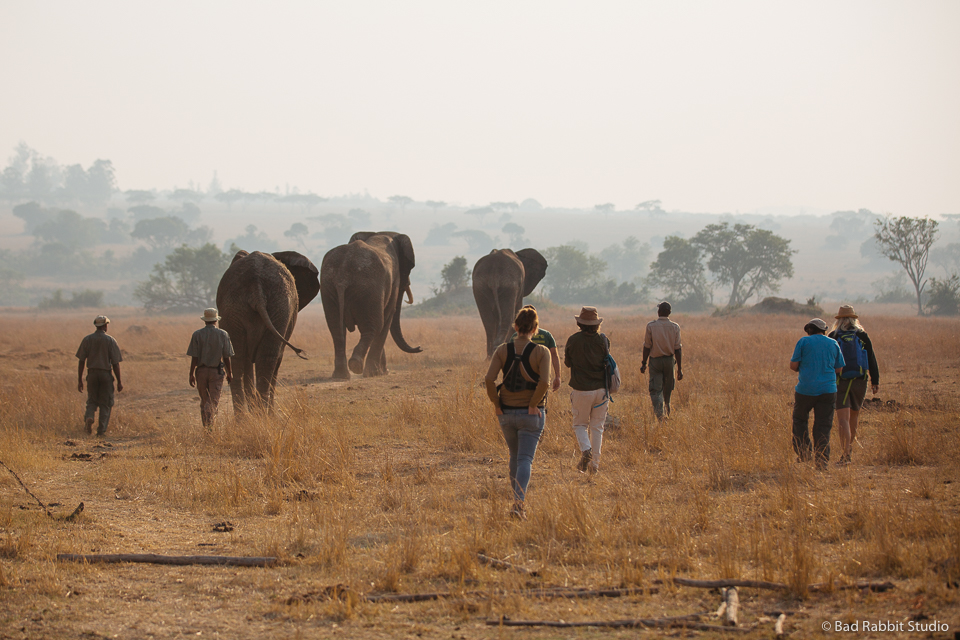
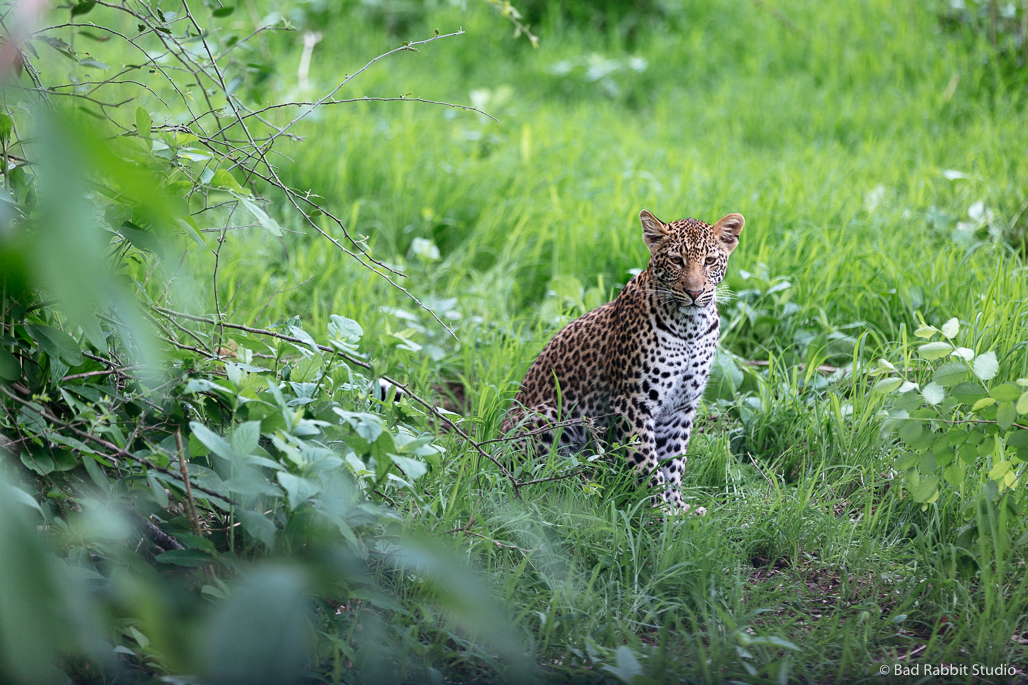
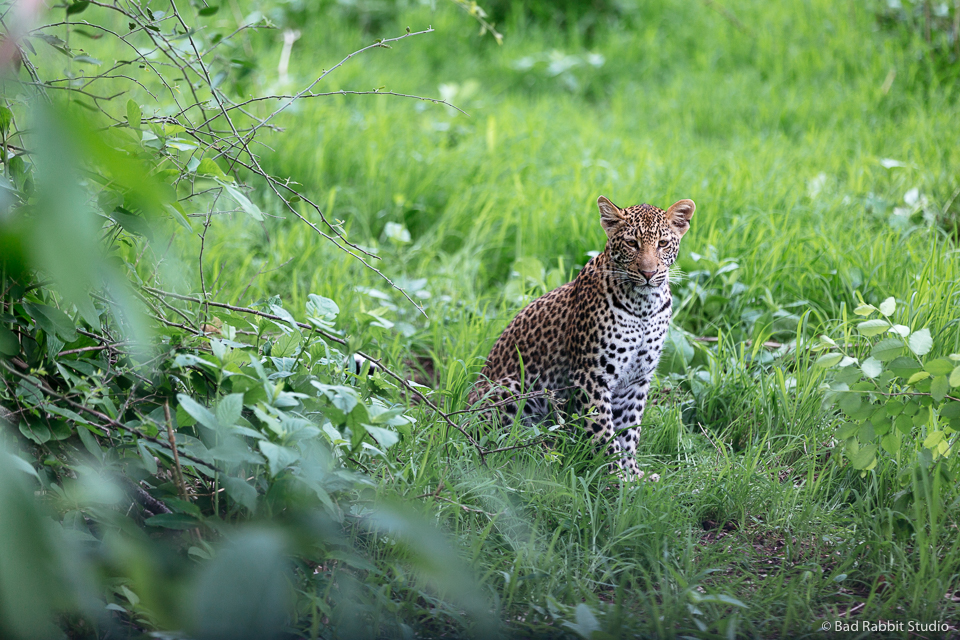
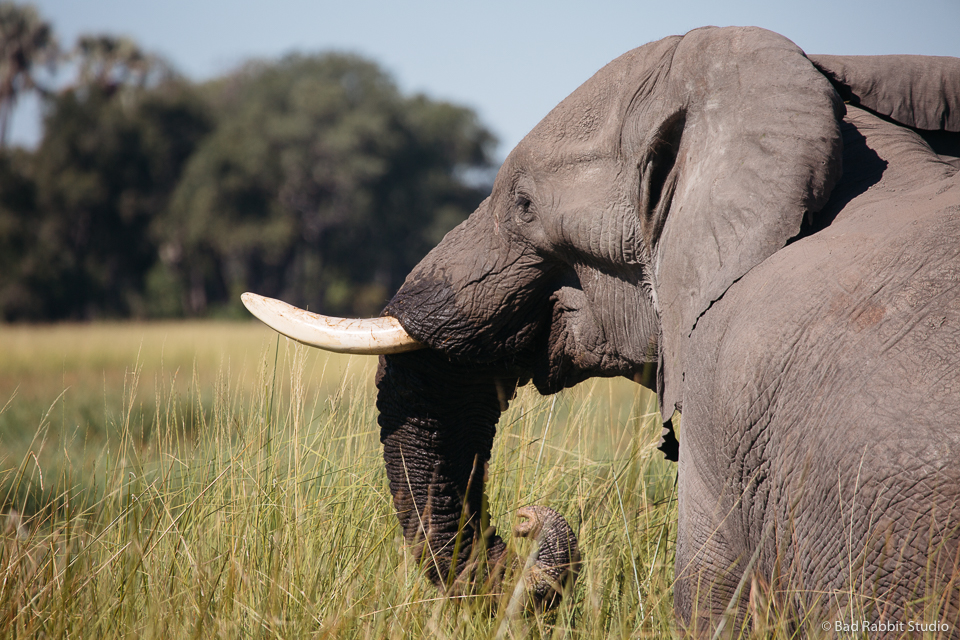
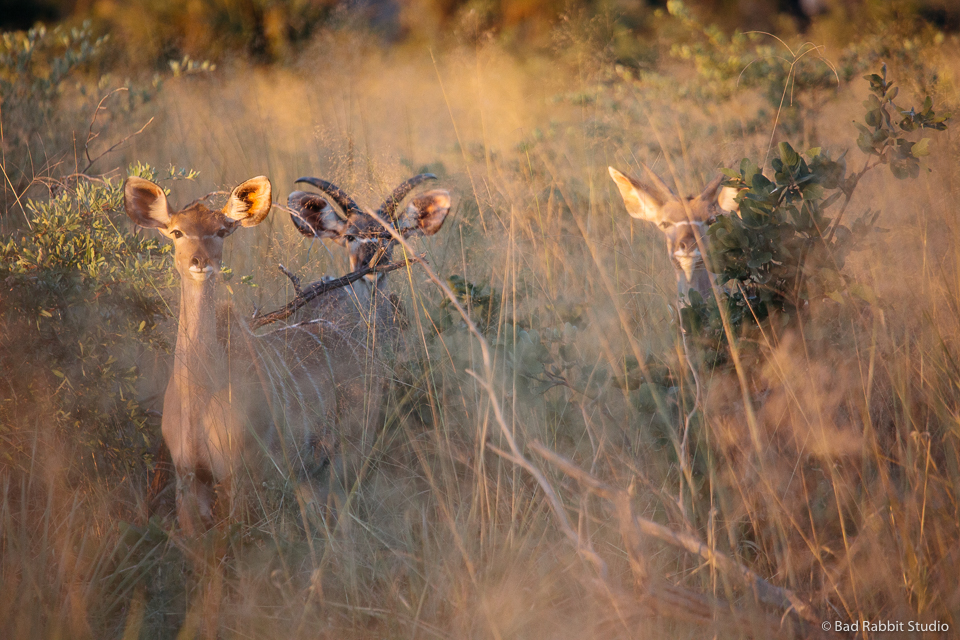
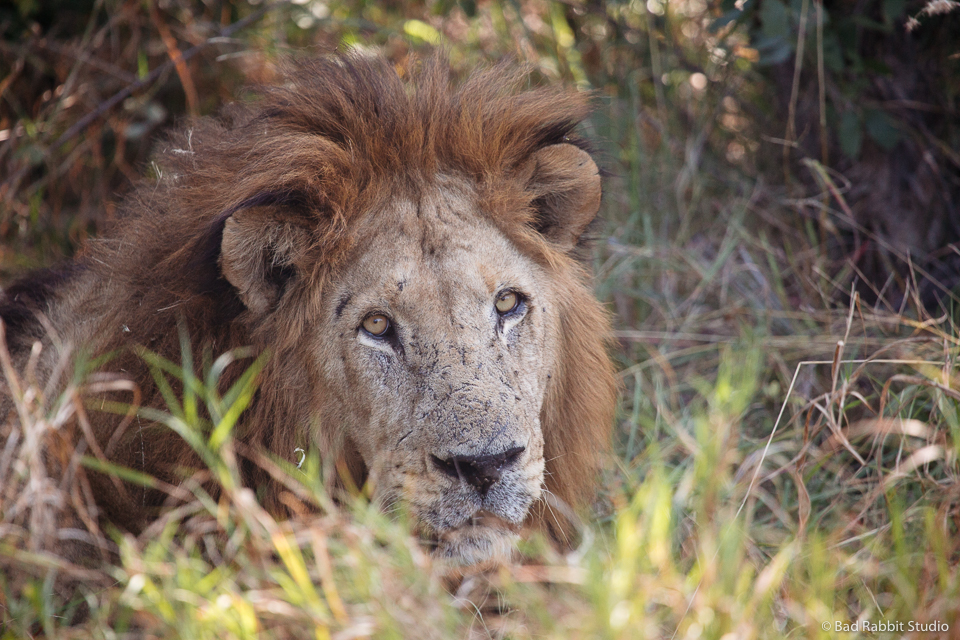
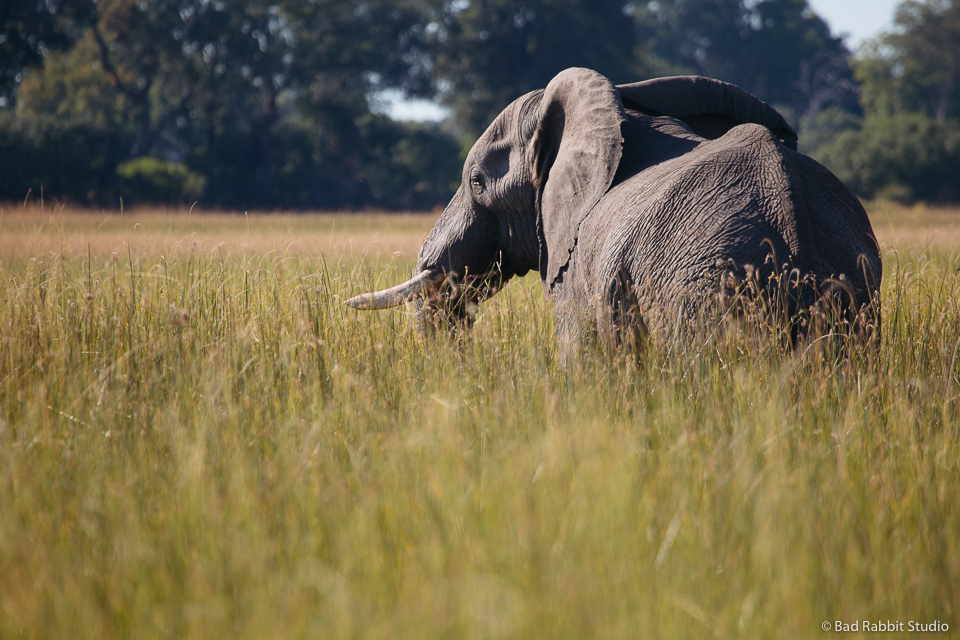
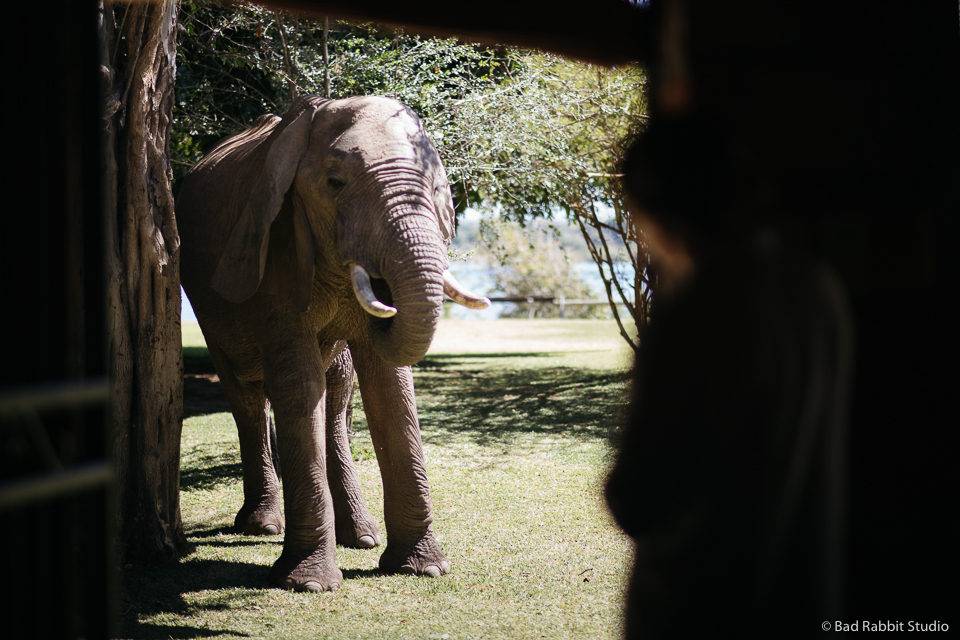
own worries and concerns. We saw a male leopard up close and on
foot(something that few
people will ever experience); we watched elephants quietly pull up reed
and rumble in
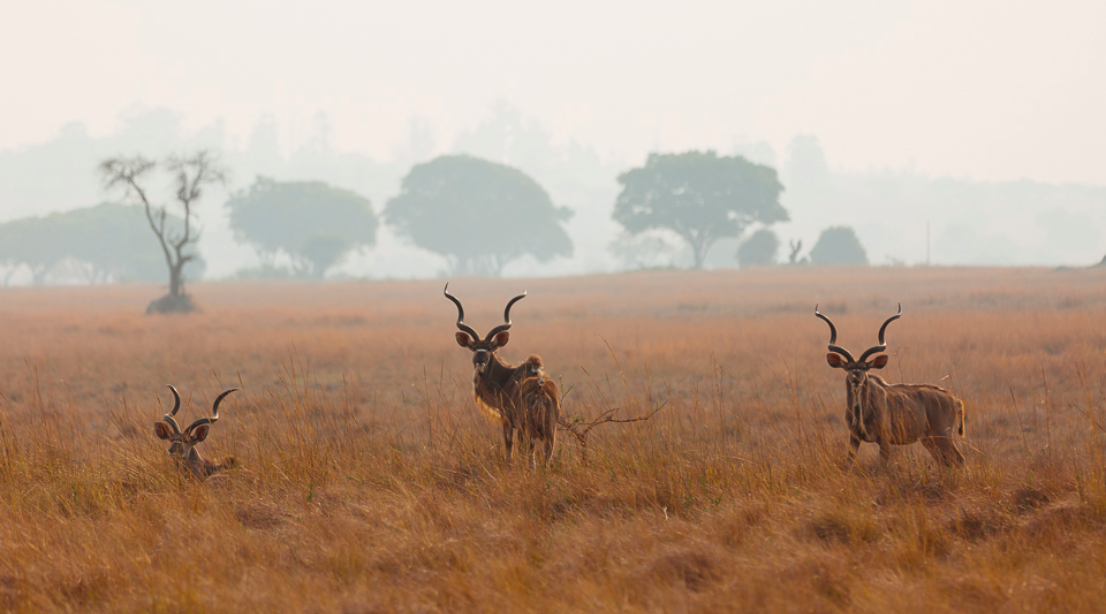
contentment to their companions; we watched in wonder as Red Lechwe
picked their way
through swampy clogs of grass flanked by the endangered, sombre Wattled
cranes searching
for snails, insects and snakes; I felt a deep primal fear creep up my
spine when wading
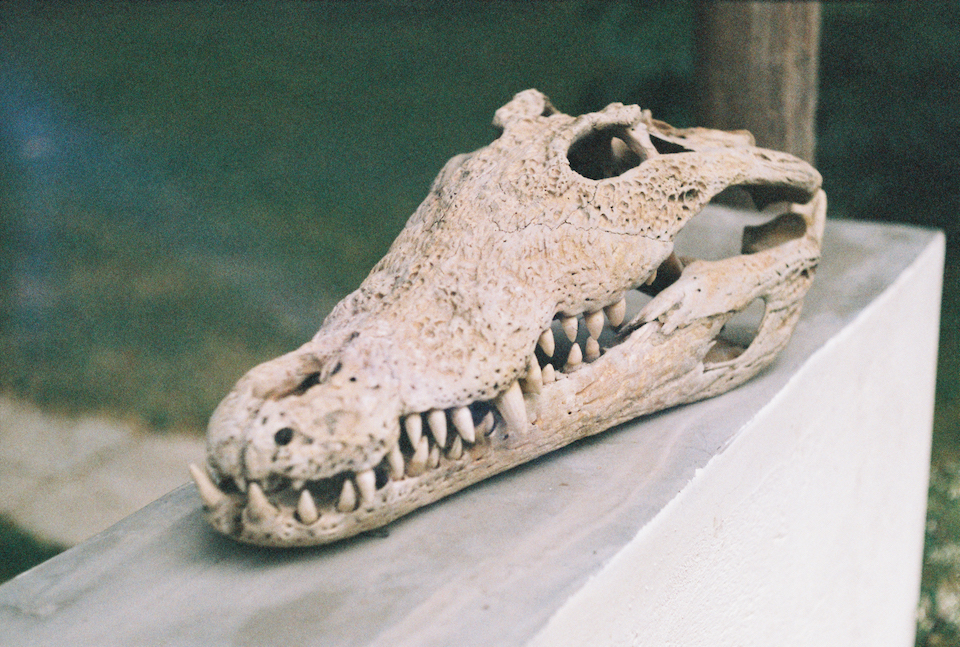
chest deep in crystal clear waters revealing the visible grab marks of
crocodiles - I felt
alive! I was really living.

.jpg)


 /div>
/div>